
WEB3 & CRYPTO: THE FUTURE OF ONLINE PAYMENTS
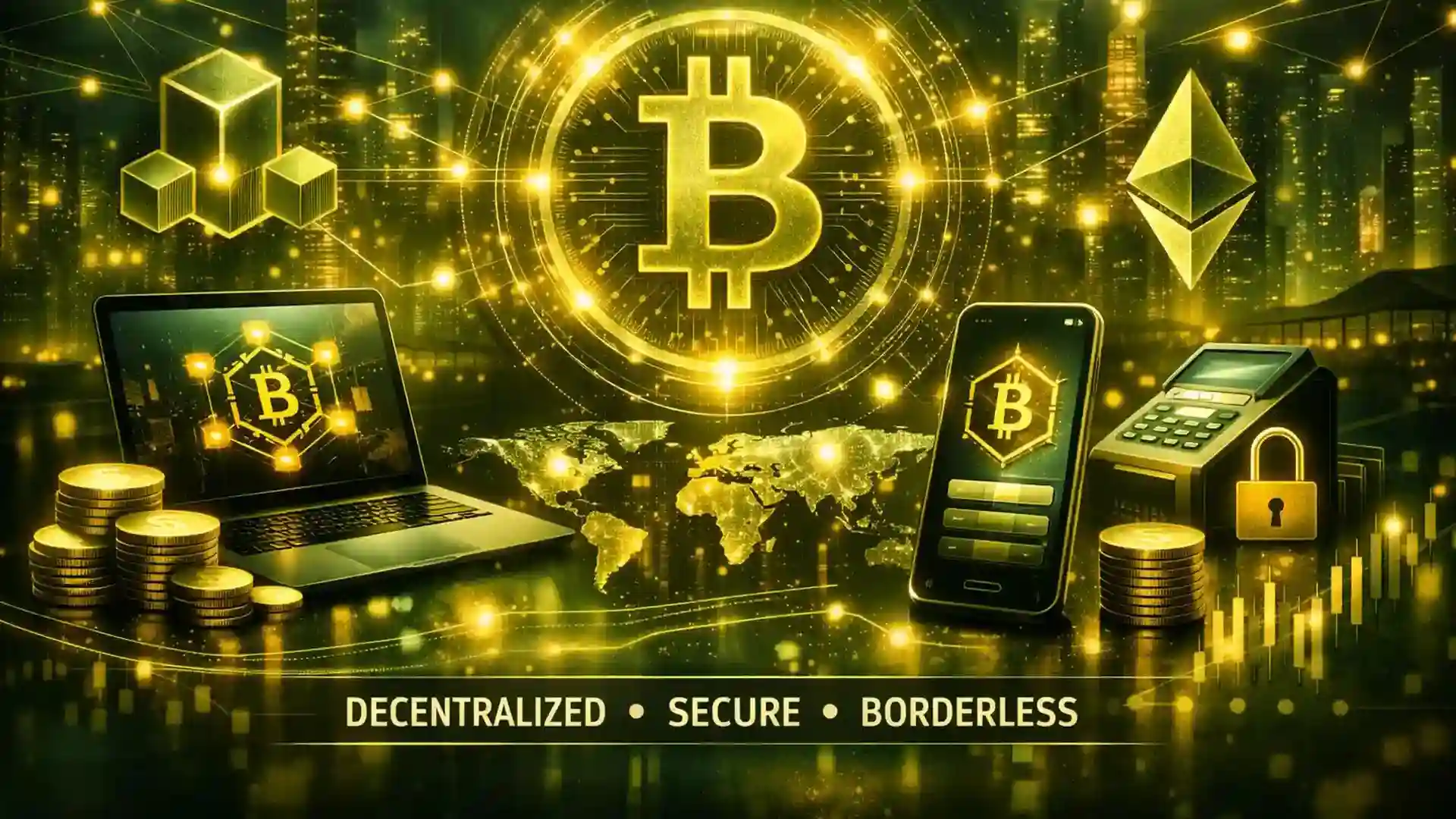
The future of digital finance is shifting as Web3 and digital cryptocurrencies radically redefine the landscape of online payments. Traditional payment gateways face rising transaction fees, geographical restrictions, and lengthy settlement processing times. In contrast, next-generation crypto payment solutions offer an efficient, transparent, and modern alternative for modern global commerce.

Category: Web3 & Fintech | Reading time: ~10 minutes | Level: All web users
Traditional payment systems struggle with high fees, slow settlements, and limited transparency, while Web3 offers instant transactions, lower costs, and global accessibility. In this post, we’ll explore how digital currencies and blockchain innovation are driving the future of e‑commerce, fintech, and everyday transactions, and why embracing these changes is essential for staying ahead in the digital economy.
Many internet users and business professionals browse the web expecting absolute payment security, only to find high processing fees, delayed settlement times, and unauthorized transaction tracking slowing down their operations across multiple devices. Upgrading your online monetization habits without understanding the deep technical gap between a traditional centralized payment gateway and an invasive banking system means leaving your revenue exposed to third-party administrative delays. And exactly this is what we plan to cover and address in this guide
WHAT THIS ARTICLE COVERS:
- THE TRANSACTION PIPELINE: How peer-to-peer digital networks quietly process global transfers to bypass traditional banking gatekeepers.
- SILENT MIDDLEMEN AND EXPLOITS: Dissecting merchant processing fees and chargeback fraud vulnerabilities operating behind basic web checkout pages.
- CENTRALIZED SETTLEMENT BENCHMARKS: Analyzing industry-standard verification tools and consensus mechanisms side-by-side.
- REAL-WORLD LOCKDOWN STRATEGIES: Correctly configuring crypto wallets, payment gateways, and stablecoin networks to match your specific business needs.
THE TRANSACTION PIPELINE: UNDERSTANDING THE INTERNAL DATABASE DISCONNECT
To optimize your digital identity and monetization, you must first recognize that a Web3 transaction rarely relies on a centralized corporate server infrastructure. Instead, the magic occurs at the network level across an open ledger. When a customer initiates a payment on an e-commerce platform, a forums portal, or a social network, their transfer request is written directly into an active block template.
[User Payment] ──> [Distributed Node Validation] ──> [Cryptographic Block Consensus] ──> [Public Ledger Finality]
When a network participant validates a transaction, they do not require an administrator to clear the funds. Instead, they check the user’s public cryptographic address keys against the historic ledger state. The transfer details are systematically bundled, hashed, and broadcast out to thousands of independent computers simultaneously.
Once verified, this structured data moves through an unalterable processing supply chain. Raw digital values are confirmed, sorted, and converted into massive cryptographically linked data structures known as blocks. These compilations organize millions of records by public wallet address, transaction values, and precise block timestamps, turning your private business transfer into a highly secure, readily verifiable asset accessible globally.
SILENT MIDDLEMEN AND EXPLOITS: THE MECHANICS OF CHARGEBACK FRAUD
Once a legacy payment transaction goes live within traditional networks, financial institutions manually route your funds through a web of intermediaries. This reliance on central clearinghouses exposes merchants to a costly vulnerability known as chargeback fraud or friendly fraud.
┌────> [Middleman A: Acquiring Bank] ──> Extracts Processing Fee
│
[Legacy Payment] ┼────> [Middleman B: Credit Card Brand] ──> Demands Interchange Fee
│
└────> [Middleman C: Issuing Bank] ──> Forces Reversal (Chargeback Exploit)
Because a vast majority of web consumers use traditional credit cards, a malicious dispute filed weeks after a sale can directly drain your corporate bank account or freeze your merchant dashboard. Automated chargeback systems and processing intermediaries rapidly parse through transaction records, frequently favoring the consumer while charging merchants heavy penalty fees simultaneously.
If a dispute hits, the system flags the merchant profile for immediate financial penalty. Furthermore, attackers utilize these weak legacy structures to launch targeted identity exploitation.
By exploiting long multi-day settlement windows—where transactions look completed but are not fully cleared—fraudulent buyers can manipulate digital download tokens or abuse refund loops before the actual money safely settles in your bank.
CENTRALIZED SETTLEMENT BENCHMARKS: HOW STABLECOIN LOOKUP TOOLS FUNCTION
When users want to audit their transaction status, they do not call a customer helpline. Instead, they rely on centralized blockchain verification engines. The most prominent, trusted benchmark tool in the digital currency industry is the public.
Understanding how this infrastructure operates is vital for clear revenue auditing. Portals like blockchain explorers act as a secure aggregate repository for recorded ledger data. When a transaction goes live or begins circulating within localized network queues (known as mempools), nodes verify the authenticity of the digital signature and import the verified values into a centralized lookup index.
When you type a transaction hash into the query field, the platform does not expose your private keys. Instead, it securely checks your unique identifier against its massive historical ledger index. If a match is found, it delivers an explicit breakdown of the specific transfer origin, what block number it occupies, and exactly what asset types (such as Bitcoin, Ethereum, or stablecoins) were transferred in that specific event, allowing you to trace your revenue down to the exact block.
REAL‑WORLD LOCKDOWN STRATEGIES — SECURING YOUR DIGITAL REVENUE PIPELINE
When your analytics confirm that website traffic is scaling and monetization is within reach, it’s critical to implement Web3 security measures that safeguard alternative income streams. Without proactive protection, your digital assets remain exposed to breaches, fraud, and downtime.
Avoid leaving funds on centralized exchanges vulnerable to hacks. Transition revenue into encrypted wallets like MetaMask, Trust Wallet, or Rabby to maintain full control of private keys and secure every transaction. Strengthen asset protection with offline hardware wallets such as Ledger, Trezor, or Keystone. These devices eliminate risks from malware, phishing, and remote exploits, ensuring long‑term crypto security.
Streamline monetization with pre‑built Web3 gateways and ad‑injection tools like AADS. These plugins deliver secure, randomized ad placements and allow instant shortcode updates — keeping your passive income pipeline resilient against network changes.

Thank you for joining us on this deep dive into how Web3 technologies, blockchain protocols, and digital currencies are reshaping the future of online payments. From decentralized peer‑to‑peer transactions to secure crypto wallets and automated Web3 checkout plugins, the digital economy is evolving faster than ever.
At Saritsystech, we are dedicated to delivering premium insights into Web3, crypto adoption, blockchain security, and digital monetization strategies. If you found this article valuable, we invite you to bookmark our site and check back regularly for more cutting‑edge tech articles, tutorials, and industry updates.
Your readership fuels our mission to explore the future of technology and finance — together, we can build a smarter, more secure digital world. Please, do not forget to share this post.
Thanks for the informative article. Truly, Web3/crypto is the future of currency settlements.
Mustapha, Oman.
Thanks