
INTERNET FRAUD EXPOSED: HOW SCAMMERS TRAP YOU AND HOW TO STOP THEM
Category: Cybersecurity & Personal Finance | Reading Time: 5 minutes | Level: Beginner to Intermediate

Have you ever wondered how someone can lose their money, personal information, or even their identity through a single online interaction? It happens more often than many people realise. Every day, millions of people go online to work, shop, invest, communicate, and build relationships. Unfortunately, cybercriminals are online too—and they are constantly looking for ways to exploit people’s trust.
What makes today’s internet fraud particularly dangerous is that scammers no longer rely on obvious spam messages or suspicious emails. They use carefully planned tactics, convincing identities, emotional manipulation, and attractive financial promises to make their traps look genuine. The biggest danger is that you may not realise you are being scammed until it is too late!
From romance scams and identity theft to fake investment platforms, phishing attacks, business email compromise and online blackmail, internet fraud is becoming increasingly deceptive. Behind many of these schemes are individuals and organised networks that understand how to gain people’s confidence before exploiting it. Defeating this threat requires far more than stronger passwords or tougher criminal penalties. It demands a deeper understanding of why cybercrime takes root, how fraudulent networks recruit participants, how victims are manipulated and what individuals, families, businesses and governments must do differently to build a safer digital world.
UNDERSTANDING THE ROOTS OF INTERNET FRAUD
Cybercrime does not develop in isolation. Behind many fraudulent activities are social influences, financial pressures, peer networks and environments where dishonesty gradually becomes normalised. Some young people are introduced to internet fraud through friends, older acquaintances or online communities. What begins as curiosity can eventually become participation, particularly when they repeatedly see others displaying expensive lifestyles without questioning the source of their wealth. Social media can make this problem worse. Luxury vehicles, expensive jewellery, designer clothing and extravagant lifestyles are frequently presented as evidence of success. When society celebrates wealth without questioning how it was acquired, it can unintentionally create the impression that financial success matters more than integrity.
Economic hardship, unemployment and limited opportunities can also make criminal recruitment more attractive. However, financial difficulty does not justify exploiting another person’s trust or stealing their money. This is an important distinction. Understanding the circumstances that encourage cybercrime is not the same as excusing criminal behaviour. We must discourage dishonesty while creating legitimate opportunities for people to develop their abilities, build careers and earn honestly.
HOW INTERNET FRAUD WORKS TODAY
Modern cybercriminals exploit trust. Their greatest weapon is often not advanced technology, but their ability to read human behaviour, spot weaknesses, and play on our emotions. Here are some of the most common tricks they use—read through them carefully so you know what to watch out for:
ONLINE ROMANCE SCAMS
Fraudsters create false identities and establish emotional relationships with unsuspecting individuals. After gaining their confidence, they invent emergencies, financial difficulties or investment opportunities to persuade victims to send money. The manipulation can continue for weeks or months. Victims may keep sending money because they genuinely believe they are helping someone they love. The consequences go far beyond financial losses. Victims can experience emotional trauma, embarrassment, isolation and a loss of confidence in future relationships.
PHISHING AND IDENTITY THEFT
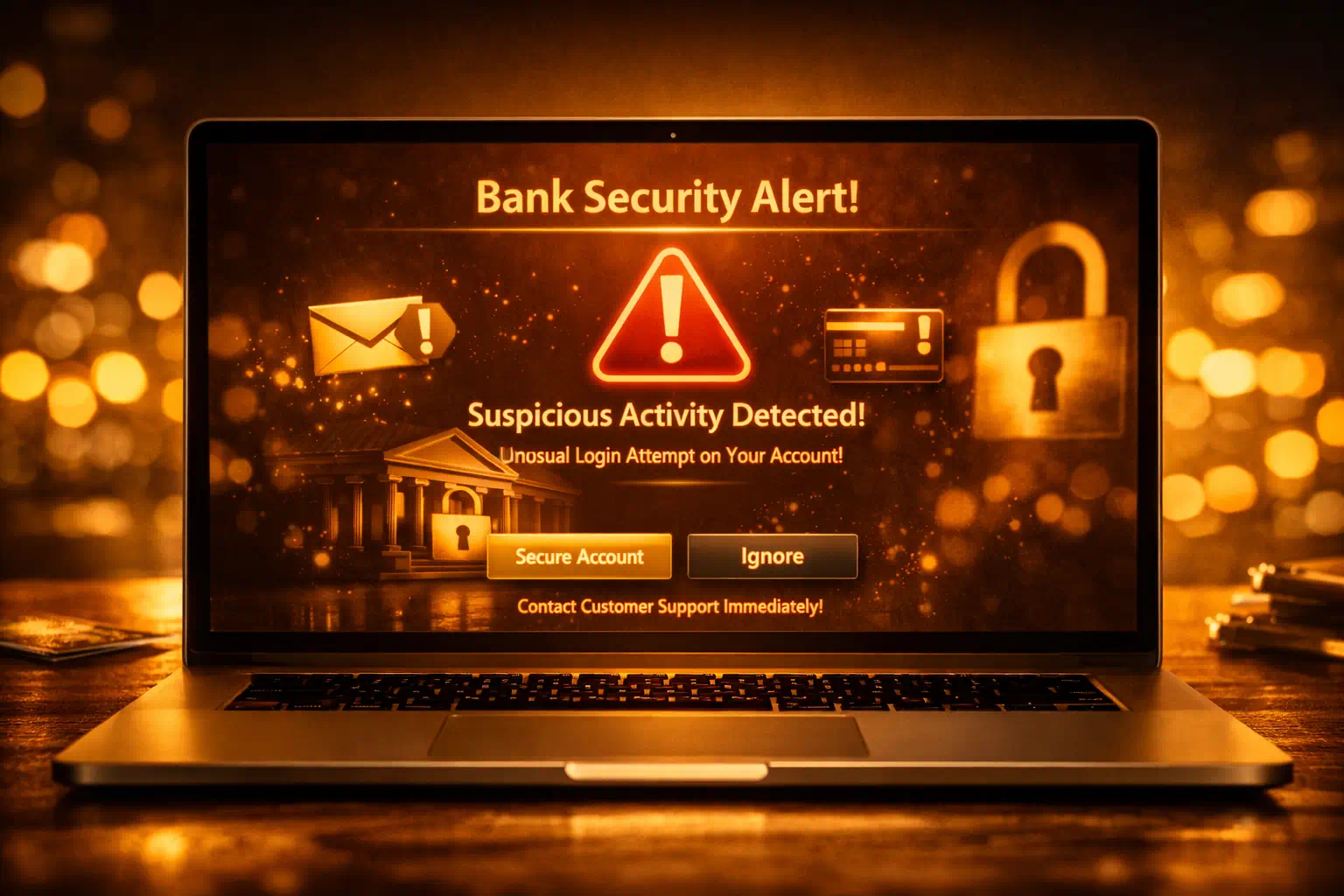
Fraudsters send deceptive emails, messages or links designed to imitate legitimate banks, businesses, government services and online platforms. Their objective is to trick users into revealing passwords, verification codes, banking details and other sensitive information. A message may appear genuine, use familiar branding and even create urgency by claiming that an account will be suspended. One careless click can expose personal information and compromise an entire account.
FAKE INVESTMENT OPPORTUNITIES
Victims are attracted by promises of unusually high returns, guaranteed profits or exclusive financial opportunities. Some fraudulent platforms display fabricated account balances and apparent investment profits to convince users that their money is growing. Victims are then encouraged to deposit additional funds.
When they eventually attempt to withdraw their money, they encounter unexpected charges, restrictions or complete silence from the operators.
SEXTORTION AND ONLINE BLACKMAIL
Criminals manipulate individuals into sharing private images or obtaining sensitive information and subsequently threaten to publish the material unless money or further content is provided. Children and teenagers are particularly vulnerable to these schemes. The psychological consequences can be devastating, making it essential for families, schools and authorities to treat such incidents as serious forms of abuse and exploitation. Victims must understand that they are not responsible for the criminal’s actions and should seek help rather than suffer in silence.
BUSINESS EMAIL COMPROMISE
Scammers pretend to be company bosses, suppliers, or business partners to trick staff into sending money or sharing private company details. These fake messages often look just like real work emails. Sometimes, criminals hack into an actual company account or set up an email address that is only one letter off from the real thing so their requests look genuine. Because of this, businesses should never rely on email alone—they need a strict system to double-check payment requests before sending any money.

WHAT CAN WE DO TO COMBAT INTERNET FRAUD?
Fighting cybercrime requires practical action, consistent awareness and shared responsibility. Every internet user has a role to play in protecting personal information, financial resources and digital identity. We must ensure these:
1. QUESTION UNUSUAL FINANCIAL PROMISES
Be suspicious of guaranteed profits, unexpected prizes, urgent investment opportunities and requests for upfront payments to release money. Legitimate financial opportunities involve risks, conditions and proper documentation. Nobody should pressure you into making an immediate financial commitment without allowing you time to investigate. If an opportunity sounds too good to be true, stop and verify it before committing your money. Never allow excitement, desperation or financial pressure to replace sound judgement.
2. VERIFY BEFORE YOU TRUST
Do not assume that an online identity is genuine because someone has a convincing photograph, professional profile or impressive communication skills. Fraudsters can create convincing identities, imitate legitimate organisations and use information obtained from public profiles to make their stories believable. Verify business identities, payment instructions, websites and investment opportunities independently.
When receiving an unexpected request for money, contact the person or organisation through a previously established and trusted communication channel. A few minutes of verification can prevent months or years of financial and emotional hardship.
3. PROTECT YOUR DIGITAL IDENTITY
Use strong, unique passwords and enable multi-factor authentication wherever possible. Never disclose verification codes, banking passwords or account recovery information to strangers, even when someone claims to represent a legitimate financial institution. Avoid clicking suspicious links, downloading unknown attachments or sharing sensitive personal information on untrusted websites. Regularly review account activity and pay attention to unexpected login notifications. Digital security is not a one-time exercise; it requires continuous attention.
4. TEACH CHILDREN AND YOUNG PEOPLE DIGITAL RESPONSIBILITY
Parents, teachers and guardians must take an active interest in how young people use the internet. Cybercrime prevention should begin with education, honest conversations, responsible supervision and positive role models. Young people must understand that the internet offers legitimate opportunities in technology, digital marketing, programming, cybersecurity, design, entrepreneurship and many other professional fields.
Their intelligence, creativity and technical abilities should be directed towards productive activities rather than criminal behaviour. We must do more than tell young people what not to do. We must also show them what they can achieve through legitimate work, professional development and responsible use of technology.
5. STOP CELEBRATING ILLEGAL WEALTH
Communities must change how they define success. Expensive possessions should never automatically be treated as evidence of achievement. Families and communities must be willing to question suspicious sources of income rather than encourage or protect criminal behaviour because of the financial benefits.
When unexplained wealth receives admiration instead of scrutiny, dishonesty becomes easier to normalise. Integrity, hard work, professional competence and legitimate economic contribution deserve recognition.
6. REPORT FRAUD AND PRESERVE EVIDENCE
Anyone who encounters internet fraud should report it through the appropriate local cybercrime authority, financial institution or online platform. Preserve relevant evidence, including messages, email addresses, transaction records, payment references, screenshots and suspicious website addresses. If money has been transferred, contact the relevant bank or payment provider immediately and request assistance in stopping, recalling or investigating the transaction.
Victims should avoid further payments, particularly demands for additional fees to recover lost money, unless the service has been independently verified through legitimate authorities. Most importantly, never allow embarrassment or fear of judgement to prevent reporting. Criminals benefit when victims remain silent.
THE RESPONSIBILITIES OF BUSINESSES, GOVERNMENTS AND TECHNOLOGY PLATFORMS
Individuals cannot defeat organised cybercrime alone. Banks, telecommunications providers, fintech companies and technology platforms must strengthen their security systems, identify suspicious activities early and respond quickly when fraud is reported. Simpler reporting procedures, faster investigation of suspicious transactions, stronger identity verification and improved account protection can help prevent criminals from exploiting digital services.
Businesses should introduce employee cybersecurity training, independent verification of payment instructions and appropriate controls over access to financial accounts. Governments and law enforcement agencies must enforce cybercrime laws consistently, strengthen international cooperation and invest in digital forensic capabilities. However, enforcement alone cannot eliminate the problem. Sustainable prevention also requires digital literacy, mentorship, employment opportunities and practical skills programmes that give people credible alternatives to criminal activity.
BUILDING A SAFER, MORE HONEST DIGITAL FUTURE
The internet remains one of the greatest tools for education, innovation, communication and legitimate wealth creation in human history. But its future depends on trust. We must recognise that the same intelligence, creativity, communication skills and technical abilities that can be misused for fraud can also create enormous value in legitimate industries. Someone with an interest in computer systems can develop a career in cybersecurity or software development. Someone with strong communication skills can pursue digital marketing, sales or entrepreneurship. Those with technical creativity can build digital products, develop businesses and provide valuable services to customers around the world.
The objective should not simply be to discourage criminal behaviour. We must also create an environment where honest success is achievable, respected and rewarded. Protecting our digital world requires vigilance from every user, accountability from institutions and a cultural shift that values integrity over shortcuts.
When individuals stay informed, families guide young people responsibly, businesses strengthen their security and technology platforms prioritise user safety, cybercriminals lose some of the opportunities they depend on.
The fight against internet fraud is a shared responsibility. A safer digital world begins when we refuse to become victims of deception, refuse to normalise dishonesty and choose to use technology for legitimate progress. What steps do you take to protect yourself and your family online? Share your thoughts or experiences in the comments below. Your awareness could help someone else avoid becoming the next victim and kindly share this guide to your friends and family. Thanks for reading!